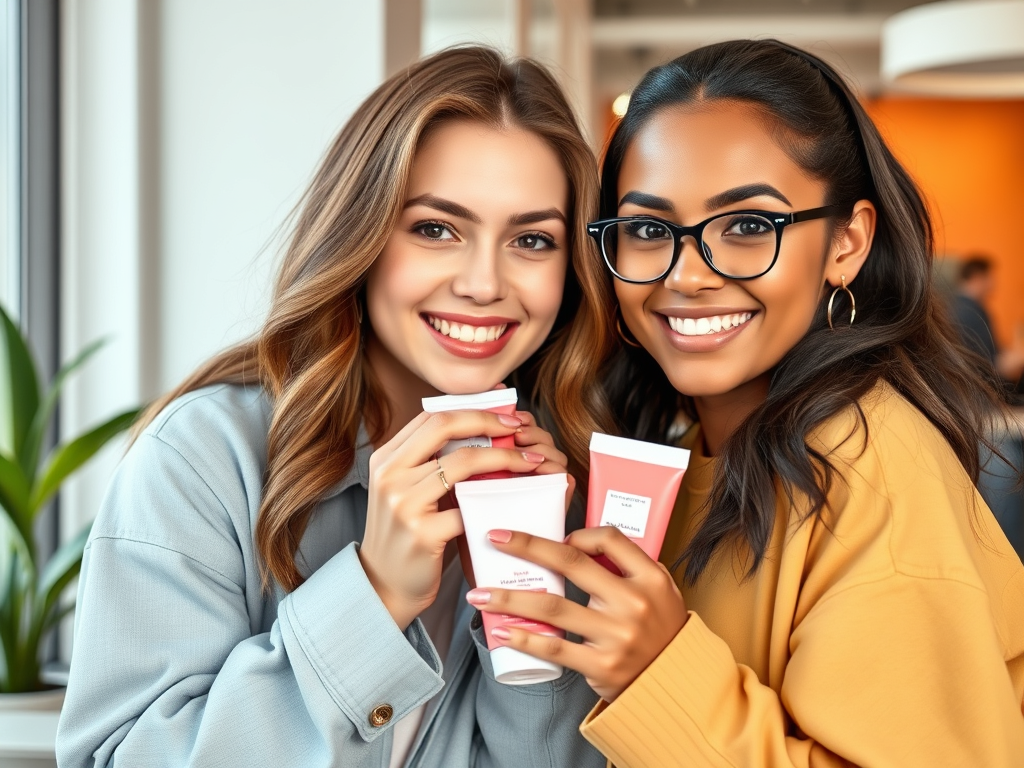
In today’s digital landscape where social media dominates consumer decision-making and has become a part of everyday life, Influencer Marketing is no longer a “nice to have”—it’s a strategic must-have for modern brands.
Whether you’re in beauty, fashion, lifestyle, or pet care, or run experience-driven businesses like restaurants, travel services, or concept stores, collaborating with content creators can help you gain visibility and boost conversions quickly and cost-effectively.
But successful Influencer Marketing is far more than just “getting influencers to post.” To truly turn this channel into a sustainable growth engine, brands need a structured method, precise strategy, and deep understanding of both platforms and users.
In this guide, we’ll walk you through everything from the fundamentals to execution—step by step—so you can run high-impact influencer campaigns that actually deliver.

1. What is Influencer Marketing?
Influencer Marketing refers to the practice of partnering with social media influencers—individuals with dedicated followings and content influence to create and share brand-related content. These campaigns aim to generate brand awareness, build trust, drive traffic, and boost sales.
Unlike traditional advertising, influencer content feels authentic and relatable, which makes it especially effective among Gen Z and younger consumers who are increasingly ad-averse.
Types of influencers:
- KOLs (Key Opinion Leaders) – Mid to large creators known for niche expertise, often good for brand credibility.
- KOCs (Key Opinion Consumers) – Micro influencers who feel more like trusted peers, ideal for authentic testimonials.
- UGC Creators (User Generated Content) – Everyday consumers who contribute content, great for building community and social proof.
The most popular platforms for influencer marketing today include Instagram, TikTok, YouTube, and REDnote (Xiaohongshu). Each is home to different types of creators and content styles—and choosing the right platform is key.
From our experience consulting with emerging brands, many are tempted to go “all in” by launching influencer campaigns across all platforms with large creators, in hopes of gaining exposure quickly.
However, this broad approach is rarely effective for brands with limited budgets. Maximising ROI means choosing the right platform, the right influencers, and focusing efforts strategically, not spreading your budget too thin.
2. Why Brands Can’t Afford to Ignore Influencer Marketing
Here are 6 reasons why influencer marketing matters more than ever:
- High Trust – Consumers trust influencer recommendations far more than traditional brand ads.
- Content = Advertising – Creators deliver your message through natural, engaging formats that don’t interrupt the user experience.
- Precise Audience Reach – You can target specific interest groups by carefully selecting influencer personas.
- Platform Boost – Algorithms on platforms like TikTok and Xiaohongshu are designed to amplify creator content.
- Shorter Conversion Funnel – On many platforms, discovery, trust-building, and purchase all happen in one place.
- Complements Other Channels – Influencer content bridges the emotional gap left by more static brand ads like outdoor or Google campaigns. It makes the brand feel close, personal, and relevant.
3. How to Plan an Effective Influencer Campaign
Step 1: Set Clear Goals
- Are you aiming for brand awareness?
- Or do you want to drive sales?
- Maybe you’re testing a new product or building a library of UGC content?
Be clear on your goals from day one. Don’t just throw spaghetti at the wall.
Step 2: Select the Right Influencers
- Do their values and style match yours?
- Are their followers aligned with your target audience? (age, location, interests)
- Is their content authentic and non-commercial?
- Do they have strong engagement metrics? (real comments, video completion rates, etc.)
Pro tip: Don’t just focus on follower count—engagement quality is what counts.
Step 3: Choose Your Collaboration Format
Some common types of collaborations:
- Gifted content – Send free products in exchange for posts
- Paid partnerships – Content creation with a fixed budget
- Brand ambassadorship – Ongoing creator relationships
- CPS / affiliate campaigns – Commission-based promotions, often used for conversion-driven platforms
Be sure to provide a clear creative brief and agree on timelines and approval processes.
Step 4: Track Results and Optimize
Key metrics to monitor:
- Reach / Views
- Likes, Comments, Shares
- Click-throughs
- Conversions (orders, revenue, ROI)
- Content Reusability – Can this content be repurposed for ads, website, or other channels?
4. Different Platforms, Different Tactics
| Platform | Ideal Content Style | Best for |
|---|---|---|
| High-quality visuals, lifestyle | Brand building, aspirational image | |
| TikTok | Short, funny, authentic videos | Viral reach, fast engagement |
| YouTube | Long-form, detailed reviews | Product education, SEO |
| (REDnote)Xiaohongshu | Photo-text hybrid, daily lifestyle | Searchable UGC, conversion-based trust |
Each platform has unique user behavior and content culture. Tailor your influencer strategy to the platform—there’s no one-size-fits-all approach.
5. What’s Next for Influencer Marketing?
- Authenticity is everything – Overly scripted ads don’t work anymore. Real, relatable content wins.
- Micro-influencers are rising – Smaller creators (10K–50K followers) often drive higher engagement and ROI.
- Content repurposing is becoming standard – Brands now regularly reuse influencer content for paid ads, landing pages, and email.
- AI-generated influencers are emerging – Virtual influencers and AI content are growing, but real human touch still reigns for now.
Final Thoughts: Influencer Marketing Is a System, Not a Tactic
From setting strategic goals, selecting influencers, managing creative briefs, to tracking data and optimizing usage, effective influencer marketing is a full-funnel operation—not a one-time activation.
Whether you’re a new brand testing the waters or a scaling team aiming to improve ROI, a well-executed influencer strategy can create a path where consumers first like you, then trust you, then buy from you.
Need Help Crafting Your Influencer Strategy?
We offer end-to-end influencer marketing services—from platform selection, creator outreach, and content planning, to campaign analysis and content repurposing.
Let’s work together to boost your brand’s visibility, credibility, and sales.

 NiHow Global | Marketing Agency, Social Media Growth & Free CV Review
Leave a comment